
Last Updated: October 25, 2026
Quick Summary
Professional grounds maintenance enhances curb appeal, increases property value, and keeps plants healthier through consistent care including mowing, pruning, fertilizing, and pest management. This specialized service saves time while preventing costly landscape repairs and safety risks.
- Maintained properties command stronger buyer interest and better negotiation terms
- Professional teams diagnose plant problems before they become expensive to fix
- Preventive pest management costs less than treating widespread infestations
- Professional maintenance eliminates injury risks from tree trimming and equipment operation
- Comprehensive maintenance includes mowing, pruning, fertilizing, aeration, weed control, and pest inspection
Table of Contents
- 1. Enhanced Curb Appeal and Property Appearance
- 2. Increased Property Value Through Professional Grounds Maintenance
- 3. Healthier Plants, Lawns, and Landscaped Features
- 4. Effective Weed and Pest Control
- 5. What to Include in Your Grounds Maintenance Checklist
- 6. Commercial Grounds Maintenance vs. Residential Grounds Maintenance
- 7. Understanding Grounds Maintenance Cost and ROI
- 8. Safety, Environmental, and Time-Saving Advantages
- Frequently Asked Questions
1. Enhanced Curb Appeal and Property Appearance
The first thing visitors notice about your property is what they see from the street. A well-maintained landscape immediately signals that you care about your home or business. Professional grounds maintenance keeps your lawn, shrubs, and trees looking intentional and polished.
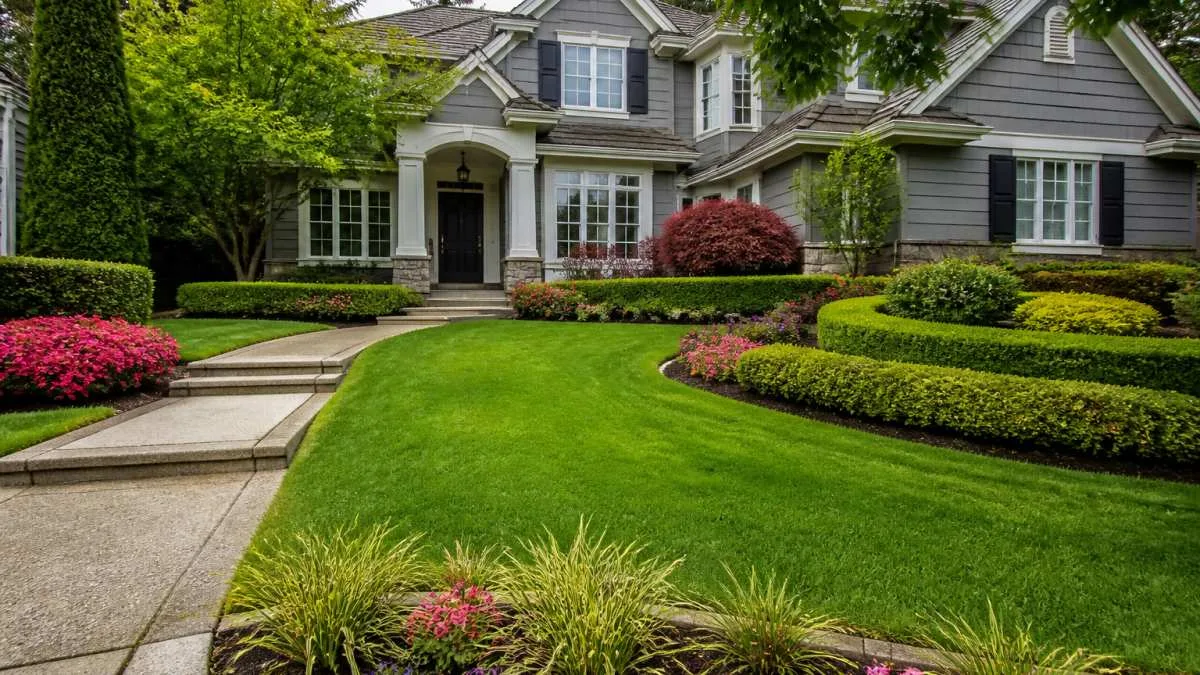
When your grass is cut consistently, weeds are controlled, and plants are pruned on schedule, the entire property looks newer. Overgrown shrubs, dead branches, and patchy grass create the opposite impression. These details matter whether you’re trying to attract customers to a retail plaza or simply want your home to reflect the care you’ve invested in it.
Professional landscaping teams understand how to arrange plantings for maximum visual impact. They know which plants thrive in your climate and how to position them for seasonal color. This expertise creates outdoor spaces that look better throughout the year. You can explore best ways to increase home curb appeal for specific tactics beyond routine maintenance.
2. Increased Property Value Through Professional Grounds Maintenance
Property value depends on many factors, but landscape condition ranks higher than most homeowners realize. When you’re preparing to sell, professional grounds maintenance can make the difference between a property that sits on the market and one that generates offers quickly.
Buyers form opinions within seconds of pulling into a driveway. A neglected yard suggests hidden maintenance problems elsewhere. A well-maintained property signals that systems have been cared for properly. Real estate professionals consistently report that curb appeal directly influences buyer perception and willingness to negotiate on price.
Commercial property managers understand this principle even more sharply. Tenants and customers decide whether to enter based on what they see outside. A retail plaza with overgrown landscaping and dead trees looks abandoned, even if the businesses inside are thriving. Professional grounds maintenance keeps your property competitive in the market.
The relationship between landscape quality and property perception is direct: maintained properties command stronger interest and better terms. Learn more about professional landscaping for home sale success to understand how maintenance supports your equity.
3. Healthier Plants, Lawns, and Landscaped Features
Healthy plants require consistent care that most property owners lack time to provide. Professional grounds maintenance includes regular aeration, fertilizing, pruning, and pest management, all timed to match your region’s growing season.
Lawns that receive professional attention develop deeper root systems and stronger resistance to disease. Shrubs pruned annually grow denser and more attractive. Trees maintained by arborists live longer and pose fewer safety risks. These aren’t cosmetic improvements; they’re investments in the long-term health of your outdoor spaces.
Common mistakes homeowners make include over-watering, improper pruning, and using the wrong fertilizer for their soil type. Professional teams diagnose plant problems before they become expensive to fix. They understand which plants need acidic soil, which prefer drought conditions, and which thrive in shade. This specialized knowledge prevents plant loss and ensures your landscaped features mature properly.
For guidance on maintaining specific plant types, review maintaining specific garden plant types to understand what your landscape needs year-round.
4. Effective Weed and Pest Control
Weeds compete with your plants for water, nutrients, and sunlight. Left unmanaged, they multiply rapidly and make any property look neglected. Professional grounds maintenance includes regular weeding, mulching, and targeted weed prevention that keeps your beds clean without requiring constant attention.
Pest management in landscaping goes beyond cosmetic concerns. Certain insects damage plants, spread disease, and create conditions for larger problems. Aphids, spider mites, grubs, and scale insects weaken plant health and reduce the value of your landscape investment. Professional teams identify pest problems early and use appropriate control methods, sometimes cultural, sometimes chemical, depending on the severity and type of pest.
Regular monitoring catches problems before they spread across your entire property. This preventive approach costs less than treating widespread infestations. Healthy plants also resist pests more effectively, so the combination of proper plant care and pest management creates a self-reinforcing cycle.
5. What to Include in Your Grounds Maintenance Checklist
A comprehensive grounds maintenance checklist ensures nothing gets overlooked. The specific items depend on your property type and climate, but several tasks apply universally.
|
Task |
Frequency |
Purpose |
|---|---|---|
|
Mowing and edging |
Weekly to bi-weekly |
Maintains appearance and plant health |
|
Trimming and pruning |
Seasonally |
Controls growth and prevents damage |
|
Fertilizing |
2-4 times annually |
Supplies nutrients for healthy growth |
|
Aeration |
1-2 times annually |
Improves soil health and root development |
|
Weed control |
As needed or preventively |
Protects plants and maintains appearance |
|
Pest inspection |
Monthly |
Catches problems early |
|
Debris removal |
Seasonally |
Prevents disease and maintains safety |
|
Irrigation maintenance |
Seasonally |
Ensures efficient watering |
Your specific checklist should reflect your region’s growing season, the types of plants on your property, and your goals. A property manager overseeing a commercial plaza needs different priorities than a homeowner with a small residential yard. Professional grounds maintenance teams customize their approach to match what your property actually needs.
6. Commercial Grounds Maintenance vs. Residential Grounds Maintenance
Commercial and residential properties have different maintenance demands, timelines, and visibility standards. Understanding these differences helps you evaluate whether your current maintenance approach is adequate.
Commercial Grounds Maintenance Priorities
Commercial properties require year-round professional grounds maintenance because their appearance directly affects business. A retail plaza, office park, or industrial facility reflects on every tenant and client who visits. Maintenance schedules must be predictable and reliable, work happens early morning or after hours to avoid disrupting business operations.
Commercial grounds maintenance emphasizes consistency and safety. Snow removal, landscape lighting, parking lot maintenance, and entryway appearance are non-negotiable. Many commercial properties also require seasonal color rotations, landscape refreshes, and special event preparation. The stakes are higher because landscape condition influences customer foot traffic and tenant retention.
Professional commercial grounds maintenance teams manage larger properties, coordinate with multiple tenants, and handle specialized tasks like parking lot seal coating and landscape lighting installation. They work on fixed schedules and respond quickly when seasonal conditions change.
Residential Grounds Maintenance Priorities
Residential grounds maintenance focuses on curb appeal, plant health, and property value. Homeowners typically prioritize appearance and want flexibility in scheduling. Unlike commercial properties, residential maintenance can adjust based on weather, budget, or personal preferences.
Residential properties often feature more diverse plantings, ornamental shrubs, trees, perennial beds, and lawn areas that require different care. Professional teams help homeowners maintain these varied landscapes without becoming overwhelmed. For most homeowners, the convenience of professional maintenance outweighs the cost, especially when yard work competes with work and family time.
Seasonal considerations matter more in residential settings. Spring cleanup, summer maintenance, fall leaf removal, and winter preparation each require different attention. Professional grounds maintenance teams manage these transitions so your property looks good all year.
7. Understanding Grounds Maintenance Cost and ROI
Grounds maintenance costs vary based on property size, landscape complexity, regional labor rates, and service frequency. Rather than guessing at typical prices, it’s more useful to understand what factors drive cost and how to evaluate whether professional grounds maintenance makes financial sense for your situation.
Pricing typically depends on your property’s square footage, the number and type of plantings, the frequency of service, and any specialized work like tree trimming or pest management. A small residential lot with basic lawn mowing costs less than a commercial plaza requiring weekly maintenance, irrigation management, and seasonal color changes.
The return on investment comes from several directions. Property value appreciation, reduced time spent on yard work, and prevention of costly landscape repairs all contribute. A property that sells faster because of excellent curb appeal represents significant ROI. A commercial property that retains tenants because of professional grounds maintenance justifies the investment. For most property owners, the convenience and results justify the cost.
To understand pricing in your area and evaluate your specific situation, review average cost for monthly lawn maintenance for current data on what professional grounds maintenance typically costs.
8. Safety, Environmental, and Time-Saving Advantages
Professional grounds maintenance eliminates several hidden costs and risks that homeowners often overlook. The most obvious benefit is time savings, hours spent mowing, trimming, and weeding can be redirected to work, family, or rest. For busy professionals, this convenience alone justifies the investment.
Safety improvements matter more than many homeowners realize. Tree trimming at height, operating heavy equipment, and handling pesticides all carry injury risk. Professional teams have insurance, training, and proper equipment to handle these tasks safely. They prevent injuries that could cost far more than the maintenance service itself.
Environmental benefits include proper waste disposal, water-efficient irrigation practices, and reduced chemical use through integrated pest management. Professional teams understand local environmental regulations and can implement sustainable practices that homeowners might not know about. Healthy soil, reduced runoff, and native plant selections support local ecosystems while maintaining your property’s appearance.
Professional grounds maintenance also reduces stress. Explore property maintenance services to see how professional care can handle your landscape needs. Knowing your property is being cared for by experienced teams eliminates the burden of scheduling yard work, learning plant care, and managing seasonal tasks. This peace of mind has real value, especially for property owners managing multiple properties or dealing with physical limitations.
Ready to stop managing yard work yourself? Clean Cut Property Maintenance handles comprehensive grounds maintenance for both residential and commercial properties. Our team customizes a maintenance plan that fits your property’s specific needs. Get a Custom Quote to discuss your grounds maintenance requirements and get started with professional care.
Frequently Asked Questions
What does professional grounds maintenance include?
Professional grounds maintenance typically covers routine mowing, pruning, trimming, weed control, pest management, aeration, fertilizing, and seasonal cleanup. Many providers also offer specialized services like tree care, landscape design, debris removal, and yard restoration. The exact scope depends on your property’s needs and your service agreement. A professional team can customize a plan that addresses your specific landscaping challenges and goals.
How does professional grounds maintenance improve property value?
Well-maintained landscapes directly influence buyer perception and appraisal values. Properties with professional grounds maintenance show healthier plants, better soil conditions, and improved curb appeal—factors appraisers consider when valuing residential and commercial properties. Consistent upkeep prevents costly damage from neglected trees, overgrown vegetation, and poor drainage. Studies show curb appeal improvements can contribute meaningfully to overall property valuation and buyer interest.
How often should grounds be professionally maintained?
Frequency depends on your property type, climate, and landscaping complexity. Most residential properties benefit from weekly or bi-weekly mowing during growing seasons, with seasonal adjustments for pruning and cleanup. Commercial properties often require more frequent service for consistent appearance. A professional grounds maintenance provider can assess your property and recommend an optimal schedule that keeps your landscape healthy, safe, and visually appealing year-round.
How can I estimate grounds maintenance cost for my property?
Grounds maintenance cost varies based on property size, landscape complexity, service frequency, and regional rates. Factors include lawn area, number of trees and shrubs, terrain difficulty, and specialized services needed. Rather than assuming a fixed price, Get a Custom Quote. They’ll evaluate your specific property, discuss your maintenance priorities, and provide transparent pricing that reflects your actual needs and service scope.
