
Table of Contents
- Understanding Your Garden Plants and Their Needs
- How to Water Garden Plants Effectively
- Pruning Shrubs and Flowering Plants
- Vegetable Garden Maintenance Throughout the Season
- Selecting and Maintaining Easy-Care Garden Plants
- Soil, Sunlight, and Drainage: Foundation for Plant Health
- Seasonal Care and Establishing New Plants
- When to Call a Professional
- Frequently Asked Questions
Last Updated: October 21, 2026
Understanding Your Garden Plants and Their Needs
Maintaining specific garden plant types starts with knowing what you’re growing. Different plants need different care. Annuals, perennials, bulbs, shrubs, and vegetables all have unique requirements. Clean Cut Property Maintenance provides comprehensive property maintenance and landscaping solutions tailored for both residential and commercial clients.
Plant Types: Annuals, Perennials, Bulbs, and Beyond
Annuals are plants that complete their entire life cycle in one season.
Perennials return year after year from the same root system. They die back in winter but regrow in spring.
Bulbs are underground storage structures that produce flowers and foliage. Tulips, daffodils, and crocuses are spring bulbs planted in fall.
Shrubs and woody plants include bushes and small trees. They develop permanent woody stems and branches. Examples are hydrangeas, azaleas, and junipers.
Vegetables require consistent care throughout the growing season. They need proper soil, water, sunlight, and pest management.
Matching Plants to Your Climate and Growing Conditions
Your climate zone determines which plants survive in your area. The USDA Plant Hardiness Zone Map divides the country into zones based on average minimum winter temperatures (2023 USDA Plant Hardiness Zone Map).
Native plants are species that naturally grow in your region. They’re adapted to local rainfall, soil, and temperature patterns. Native plants typically need less water and fertilizer than non-native species.
Regionally adapted plants thrive in your area even if they’re not native. These plants perform well with minimal special care. Ask local nurseries which plants do best in your zone.
How to Water Garden Plants Effectively
Watering is one of the most important maintenance tasks. Too much water causes root rot and fungal diseases. Too little water stresses plants and reduces flowering. The key is matching water to what each plant needs.
Watering Schedules by Plant Type
Annuals need consistent moisture during the growing season. Water when the top inch of soil feels dry.
Perennials need regular water while establishing roots (first year). Once established, most perennials tolerate dry periods. Water deeply but less frequently.
Vegetables have high water demands during fruit production. Tomatoes need 1-2 inches of water per week.
Shrubs and trees need deep watering less frequently. Water slowly and deeply to reach the root zone.
Succulents and drought-tolerant plants prefer dry conditions. Water only when soil is completely dry. In winter, water sparingly or not at all.
Signs Your Plants Need More or Less Water
Signs of underwatering:
- Wilting leaves that don’t recover after watering
- Dry, crispy leaf edges
- Slow growth or stunted appearance
- Soil pulling away from container edges
Signs of overwatering:
- Yellow leaves that feel soft
- Mushy stems or roots
- Fungal growth or mold on soil surface
- Foul smell from soil
The best watering method is slow, deep soaking. Water early in the morning to reduce disease. Avoid wetting foliage if possible. Use drip irrigation or soaker hoses for consistent moisture.
Pruning Shrubs and Flowering Plants
Pruning removes dead wood, shapes plants, and encourages new growth. Proper pruning improves plant health and appearance. Each plant type has specific pruning needs and timing.
When and How to Prune Different Plant Types
Spring-flowering shrubs like lilacs and forsythia should be pruned right after they flower. Pruning now doesn’t remove next year’s flower buds.
Summer-flowering shrubs like hydrangeas bloom on new growth. Prune these in late winter or early spring before new growth starts.
Evergreen shrubs like boxwood and junipers can be pruned in spring or early summer. Light pruning keeps them shaped.
Flowering perennials benefit from deadheading (removing spent flowers). This encourages more blooms and prevents self-seeding.
Roses need regular pruning to stay healthy. Prune in early spring as new growth begins.
Always use sharp, clean pruning tools. Dull tools crush stems and invite disease. Sterilize tools between plants by wiping with rubbing alcohol.
Deadheading and Seasonal Maintenance
Deadheading removes flowers after they fade. This prevents plants from spending energy on seed production. Deadheading encourages continuous blooming throughout the season.
Summer maintenance includes regular deadheading and watering. Check for pests and diseases weekly. Remove any diseased leaves immediately.
Fall preparation involves cleaning up dead foliage and spent plants. Cut back perennials after frost kills foliage. Leave ornamental grasses standing through winter for visual interest and wildlife habitat.
Winter care means protecting tender plants. Apply mulch around perennials after the ground freezes. Wrap evergreens in burlap if heavy snow is expected.
Vegetable Garden Maintenance Throughout the Season
Vegetable gardens demand consistent attention. Success requires proper soil, adequate water, and pest management. Planning ahead makes maintenance easier.
Soil Preparation and Ongoing Care
Start with rich, well-draining soil. Mix in 2-3 inches of compost before planting. Compost adds nutrients and improves soil structure. Test your soil pH before planting.
Throughout the season, add mulch around plants. Mulch retains moisture, regulates soil temperature, and suppresses weeds. Keep mulch 2-3 inches away from plant stems.
Fertilize vegetables every 3-4 weeks during the growing season. Use balanced fertilizer or one higher in nitrogen for leafy greens. Follow package directions carefully.
Rotate crop families each year to prevent soil depletion and disease buildup. Don’t plant tomatoes where tomatoes grew last year.
Managing Pests and Diseases in Your Vegetable Garden
Common pests include aphids, beetles, caterpillars, and squash bugs. Check plants regularly for pest damage. Remove pests by hand when possible. Spray insecticidal soap for soft-bodied insects like aphids.
Common diseases include powdery mildew, early blight, and root rot. Ensure good air circulation by spacing plants properly. Water at soil level, not on foliage. Remove diseased leaves immediately.
Disease prevention strategies:
- Plant disease-resistant varieties
- Water in morning so foliage dries quickly
- Avoid working in wet gardens (spreads fungal spores)
- Sanitize tools between plants
- Remove infected plants promptly
Never compost diseased plant material. Dispose of it in the trash to prevent spreading disease to other areas.
Selecting and Maintaining Easy-Care Garden Plants
Not every gardener has time for high-maintenance plants. Easy-care plants let you enjoy a beautiful garden with less work. These plants tolerate neglect, poor soil, and variable watering.
Low-Maintenance Native and Drought-Tolerant Options
Native perennials are naturally adapted to your region. They need less water, fertilizer, and pest management than exotic plants.
Drought-tolerant plants thrive with minimal water once established. Sedums, ornamental grasses, and Russian sage need water only during extreme drought.
Shade-tolerant plants grow in low-light areas. Hostas, ferns, and hellebores thrive under trees.
Ground covers prevent weeds and reduce maintenance. Creeping phlox, creeping thyme, and sedum varieties spread to fill space.
Easy-care plants don’t mean no care. They still need initial establishment watering, occasional deadheading, and yearly cleanup.
Soil, Sunlight, and Drainage: Foundation for Plant Health
Healthy plants start with healthy soil, adequate sunlight, and proper drainage. These three factors determine whether plants thrive or struggle. Understanding your garden’s conditions helps you choose appropriate plants and care methods.
Assessing and Improving Soil Quality
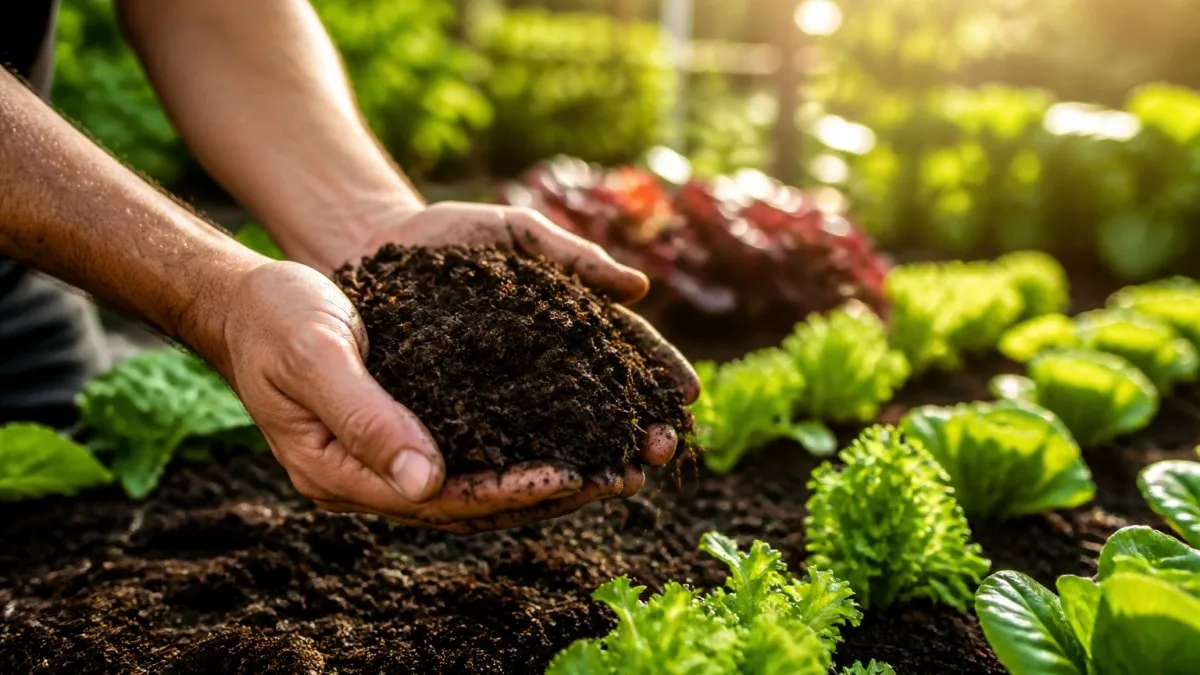
Soil quality affects water retention, nutrient availability, and root development. Good garden soil is dark, crumbly, and rich with organic matter.
Test your soil before planting. Soil testing kits measure pH, nitrogen, phosphorus, and potassium levels. Most universities offer affordable soil testing through their cooperative extension.
Improve poor soil by adding compost or aged manure. Work amendments into the top 6-8 inches of soil. Compost improves both sandy and clay soils.
Maintain soil health by adding compost yearly. Mulch breaks down and adds organic matter. Avoid walking on garden beds when soil is wet, which compacts it.
Sunlight Requirements and Plant Placement
Plants have different sunlight needs. Understanding these requirements prevents common problems like leggy growth or poor flowering.
Full sun means 6+ hours of direct sunlight daily. Most vegetables and flowering plants need full sun.
Partial shade means 3-6 hours of sunlight. Many perennials and shrubs thrive in partial shade.
Full shade means less than 3 hours of direct sun. Hostas, ferns, and hellebores grow well in shade.
Observe your garden throughout the day. Note which areas get morning, afternoon, and all-day sun. Match plants to available light in each location.
The most common gardening mistake is placing shade-loving plants in full sun or sun-lovers in shade. Matching plants to light conditions prevents 80% of plant problems.
Seasonal Care and Establishing New Plants
New plants need special attention during their first year. Proper establishment ensures strong growth and long-term health. Seasonal care keeps established plants performing well.
First-Year Establishment and Year-Round Schedules
Spring planting requires consistent watering. New plants haven’t developed deep roots yet. Water when the top inch of soil feels dry.
Summer care focuses on watering and monitoring. Check plants weekly for pests and diseases. Mulch around new plants to retain moisture and regulate soil temperature.
Fall preparation means reducing fertilizer. Stop fertilizing in late summer so plants harden off for winter. Remove dead foliage and spent flowers.
Winter protection prevents frost damage to tender plants. Wrap evergreens in burlap if heavy snow is expected. Reduce watering significantly. Many plants go dormant and need little care.
Preparing for Extreme Weather and Climate Changes
Extreme weather events are becoming more common. Preparing your garden helps plants survive heat, cold, drought, and heavy rain.
Drought preparation:
- Choose drought-tolerant plants
- Mulch heavily to retain soil moisture
- Water deeply but less frequently to encourage deep roots
- Group plants by water needs
Heat management:
- Provide afternoon shade for heat-sensitive plants
- Mulch to keep soil cooler
- Water more frequently during heat waves
- Avoid fertilizing during extreme heat
Cold protection:
- Plant tender perennials in spring so they establish before winter
- Mulch after ground freezes
- Wrap young trees and shrubs to prevent damage
- Choose cold-hardy varieties for your zone
Wet weather management:
- Improve drainage in low areas
- Avoid planting in poorly draining spots
- Space plants to ensure air circulation
- Remove standing water promptly
When to Call a Professional
Some garden maintenance tasks require professional expertise. Recognizing when to hire help saves time, money, and plant health.
Call a professional for:
- Large tree pruning or removal
- Significant pest or disease problems
- Complete landscape renovation
- Specialized equipment needs
- Complex drainage issues
- Professional soil testing and amendment
Professional landscapers have experience with maintaining specific garden plant types in your region. They know which plants thrive locally and how to care for them properly.
Whether you maintain your garden yourself or hire help, understanding your plants’ needs ensures success. Regular observation, proper watering, appropriate pruning, and seasonal care keep gardens healthy and beautiful year-round.
A well-maintained garden enhances your property’s curb appeal and creates a welcoming outdoor space. Clean Cut Property Maintenance offers comprehensive property maintenance and landscaping solutions tailored for both residential and commercial clients.
Frequently Asked Questions
How often should different types of garden plants be watered?
Watering frequency depends on plant type, soil drainage, and climate. Most annuals and vegetables need water when the top inch of soil feels dry, typically 2-3 times per week. Perennials and shrubs usually need deep watering once weekly during growing season. Succulents and drought-tolerant plants need water only when soil is completely dry. Check soil moisture before watering rather than following a fixed schedule to avoid overwatering.
Which plants are easiest to maintain?
Easy-care garden plants include native perennials, ornamental grasses, conifers, and drought-tolerant species like coneflowers, black-eyed Susans, and sedums. These plants require minimal pruning, tolerate local climate conditions, and establish quickly after planting. Shrubs like junipers and viburnums also demand little maintenance. Starting with low-maintenance species reduces the time and effort needed to maintain your garden while still creating visual interest and supporting pollinators.
When should you prune different garden plants?
Timing varies by plant type. Spring-flowering shrubs should be pruned right after blooming to avoid removing next year’s flower buds. Summer-flowering plants are pruned in late winter or early spring before new growth. Perennials are cut back in fall or early spring depending on the species. Evergreens tolerate pruning in late winter or early summer. Always remove dead, diseased, or crossing branches immediately, regardless of season. Consult specific plant guides for exact timing to maximize blooms and plant health.
How can you tell whether a garden plant needs more or less water?
Overwatered plants show yellowing leaves, wilting despite wet soil, and fungal growth. Underwatered plants have dry, crispy leaves and slow growth. Check soil moisture by inserting your finger 2 inches deep; it should feel slightly moist, not soggy or dust-dry. Adjust watering based on rainfall, soil type, and plant species. Grouping plants by water needs helps prevent both overwatering and underwatering in the same garden bed.