
Table of Contents
- Step 1: Assess Your Garden and Create a Clearance Plan
- Step 2: Clear Open Areas and Remove Debris Before Working the Perimeter
- Tools for Clearing an Overgrown Garden Safely
- Step 3: How to Prune Overgrown Shrubs and Cut Back Trees
- Step 4: How to Reclaim a Garden from Weeds and Unwanted Growth
- Step 5: Restore Garden Beds, Borders, and Edges
- Step 6: Create an Overgrown Garden Maintenance Plan for Long-Term Success
- When to Call in Professional Help
- Frequently Asked Questions
Last Updated: October 9, 2026
Step 1: Assess Your Garden and Create a Clearance Plan
Before you pick up a single tool, walk your yard and look at what you’re dealing with. The first step in how to maintain overgrown backyard gardens is understanding the scope of work ahead.
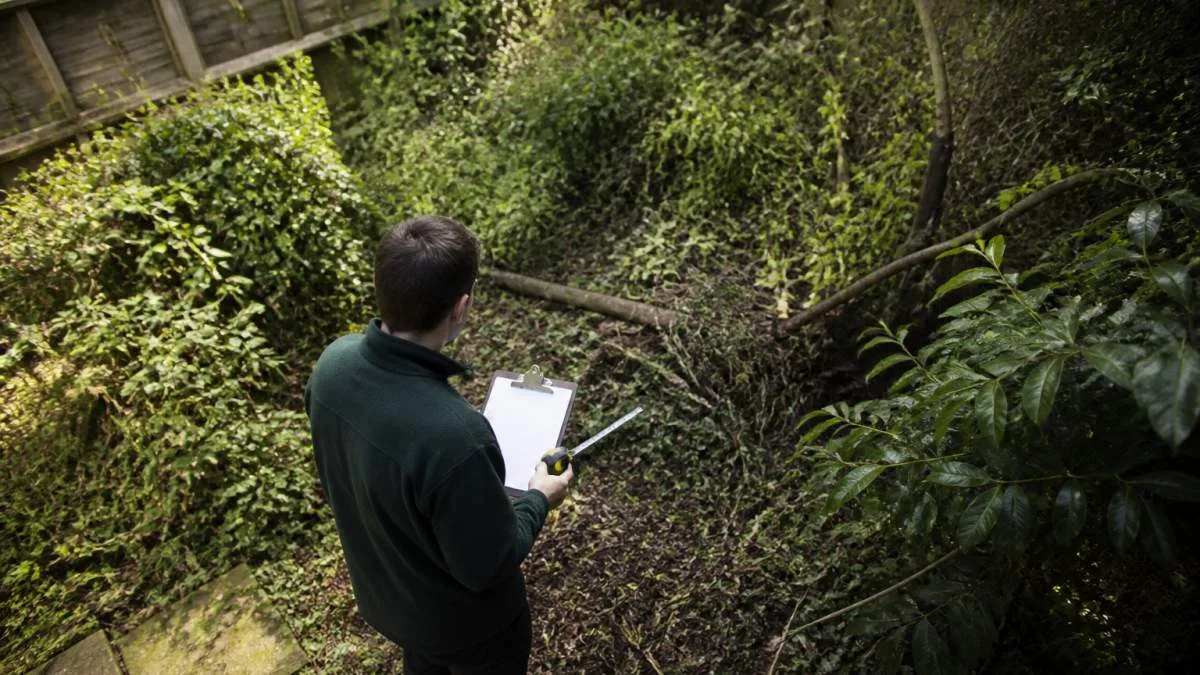
Identify what to save, prune, remove, or relocate
Walk through your garden systematically. Look for plants that are healthy, valuable, or sentimental. Mark them with stakes or spray paint. These stay.
Ask yourself these questions about each plant:
- Is this a perennial that will come back?
- Does it have sentimental value?
- Can it be pruned back to a reasonable size?
Some shrubs look dead but will regrow after pruning. Others are genuinely dead and need removal. If you’re unsure about a plant’s viability, leave it for now.
Photograph healthy plants before cleanup starts. This reference helps you remember what the garden should look like and prevents accidental removal of valuable specimens during the work.
Map out your work zones and prioritize
Divide your yard into zones. This makes the project feel less overwhelming and helps you track progress.
Start with these zones:
- Open pathways first, clear main walkways and entry points
- Perimeter next, work around the edges toward the center
- Focal areas last, tackle decorative beds and plant collections when you have momentum
Create a simple map on paper. Mark which zones need the most work. Prioritize areas visible from the house or street first.
Realistic timeline matters. A heavily overgrown yard takes weeks, not a weekend. Plan accordingly.
Step 2: Clear Open Areas and Remove Debris Before Working the Perimeter
Start with the easy wins. Remove loose debris, fallen branches, and rubbish from open areas first. This clears your work space and makes the actual pruning easier.
Remove rubbish, fallen branches, and loose debris
Walk through and collect obvious debris. Fallen branches, dead wood, trash, and loose leaves go into piles. Separate as you go: branches in one pile, green waste in another, rubbish in a bin.
Work systematically:
- Collect all visible debris from ground level
- Pile branches by size (small twigs separate from large branches)
- Bag or bin rubbish and non-compostable items
- Leave green waste in designated piles for later disposal
Don’t try to chip or process everything at once. Focus on clearing the space first. Processing comes later.
Dispose of or reuse garden waste responsibly
Large branches can be chipped if you have access to a chipper. Smaller twigs bundle well for yard waste pickup. Green waste often qualifies for municipal composting programs.
Check your local waste management options:
- Curbside yard waste pickup, most communities offer this
- Composting facilities, accept leaves, branches, and plant material
- Wood chippers, rent one if you have many large branches
Some wood is worth saving. Straight branches become stakes or kindling. Larger pieces can be stacked for wildlife habitat or future mulch.
Never pile debris against structures or fences. It traps moisture and encourages rot and pest problems. Keep piles at least 3 feet away from buildings.
Tools for Clearing an Overgrown Garden Safely
You don’t need every tool, but the right equipment makes the work faster and safer. Invest in quality basics rather than a massive collection.
Essential hand tools and power equipment
Hand tools you’ll definitely need:
- Pruning shears (bypass style, 8-10 inches)
- Loppers (for branches up to 2 inches thick)
- Pruning saw (curved blade for larger branches)
Power tools worth renting or buying:
- Hedge trimmer (electric or gas, for large shrub areas)
- Chainsaw (for thick branches and tree work)
- String trimmer (for weeds in open areas)
Start with hand tools. Add power equipment only if you have large areas or thick branches. Renting is often smarter than buying if you only need it once.
Personal protective equipment and safe operation
Wear proper gear every single time. Overgrown gardens hide hazards: sharp branches, hidden rocks, uneven ground, and insects.
Essential protective equipment:
- Safety glasses or face shield
- Heavy work gloves (leather, not cloth)
- Long pants and long sleeves
For power tools, add:
- Face shield rated for the tool
- Cut-resistant sleeves
- Chaps (for chainsaw work)
Read tool instructions before using. Power tools demand respect. One mistake causes serious injury.
The most common injuries happen when people rush or skip protective gear. Slow down, dress properly, and stay focused. A small cut from a dull tool beats a serious injury from carelessness.
Step 3: How to Prune Overgrown Shrubs and Cut Back Trees
Pruning is the core work. Overgrown shrubs respond well to aggressive pruning, but timing and technique matter.
Seasonal pruning guidelines and plant-specific limits
Timing depends on what you’re cutting. Spring-flowering shrubs (lilac, forsythia, rhododendron) should be pruned right after they flower.
General rules for how to prune overgrown shrubs:
- Deciduous shrubs, prune in late winter while dormant
- Evergreens, prune in early spring or late summer
- Spring bloomers, prune immediately after flowering
Never remove more than one-third of the plant’s growth in a single year. Aggressive pruning stresses plants.
Cut just above a leaf node or bud. This encourages new growth from that point.
Protecting valuable plants while removing overgrown vegetation
Some plants are worth extra care. Mark them clearly before you start. Work around them carefully. Remove competing overgrowth first, then decide if the plant itself needs pruning.
For valuable trees:
- Never remove more than 25% of the canopy in one year
- Avoid topping (cutting the main trunk flat)
- Remove dead or diseased branches first
If a tree is severely overgrown and you’re unsure about pruning limits, hire a professional arborist. Bad pruning damages trees for years.
Step 4: How to Reclaim a Garden from Weeds and Unwanted Growth
Weeds spread fast in neglected gardens. Control them before they take over again.
Identify weed types and control methods
Different weeds need different approaches. Annuals (dandelions, crabgrass) pull easily when young. Perennials (bindweed, quackgrass) have deep roots and return unless you remove the whole plant.
Control methods:
- Hand pulling, works for young weeds and small areas
- Hoeing, cuts weeds below the soil surface
- Digging, removes root systems for perennial weeds
Never use herbicides near plants you want to keep. Drift kills good plants too. Hand-pull or dig weeds near valuable plants instead.
Prevent weeds from returning
After clearing weeds, stop them from coming back. Mulch is your best defense.
Mulch strategy:
- Apply 2-3 inches of wood chips or bark mulch (Mulching woody ornamentals with organic materials)
- Keep mulch 6 inches away from tree trunks
- Refresh mulch yearly as it breaks down
Clean mulch prevents most weed seeds from germinating. It also holds moisture and improves soil as it decomposes.
Cardboard or landscape fabric under mulch blocks even more weeds, but it eventually breaks down. Mulch alone works fine if you’re willing to pull occasional weeds.
Step 5: Restore Garden Beds, Borders, and Edges
Once weeds are gone and overgrown vegetation is cleared, restore the structure of your beds.
Prepare soil and add mulch for plant health
Overgrown gardens often have compacted, depleted soil. Loosen it before replanting.
Soil prep steps:
- Remove debris, rocks, and old roots
- Loosen the top 6-8 inches with a garden fork
- Mix in compost (2-3 inches) to improve structure
- Rake smooth and level
- Add 2-3 inches of mulch
Compost feeds the soil as it breaks down. It improves drainage in clay soil and water retention in sandy soil. A little compost goes a long way.
Install or refresh garden edging
Clean edges make a huge difference in how a garden looks. Edging defines beds and keeps grass from creeping in.
Edging options:
- Metal or plastic edging, affordable, lasts years, keeps grass out
- Bender board, flexible wood, natural look, needs replacement every 5-10 years
- Stone or brick, permanent, attractive, more expensive
Install edging before adding mulch. It prevents mulch from spreading into the lawn and makes mowing cleaner.
Step 6: Create an Overgrown Garden Maintenance Plan for Long-Term Success
The hard work is done. Now prevent it from getting overgrown again. A maintenance plan keeps your garden looking good without becoming a project.
Schedule regular maintenance tasks by season
Monthly tasks prevent problems from building up. Small regular work beats occasional large projects.
Spring (March-May):
- Prune dead branches from winter
- Divide overgrown perennials
- Mulch beds
Summer (June-August):
- Deadhead flowers to encourage blooms
- Water during dry spells
- Pull weeds weekly
Fall (September-November):
- Cut back perennials
- Rake leaves (or mulch them into beds)
- Plant spring bulbs
- Clean up debris
Winter (December-February):
- Plan next year’s changes
- Prune deciduous trees and shrubs
- Check for storm damage
- Rest and plan
Set realistic expectations for time and effort
A well-maintained garden takes 4-8 hours per month, depending on size. A neglected garden takes 20+ hours to restore.
If you can’t maintain it yourself, consider hiring help. Clean Cut Property Maintenance offers comprehensive garden maintenance and landscape restoration services.
| Task | Frequency | Time Required |
|---|---|---|
| Weeding | Weekly | 30-60 minutes |
| Deadheading | Weekly | 20-30 minutes |
| Mulch refresh | Yearly | 2-4 hours |
| Pruning shrubs | Yearly | 4-8 hours |
| Hedge trimming | 2-3 times yearly | 2-3 hours each |
| Perennial division | Every 3-4 years | 4-6 hours |
Small, consistent effort keeps gardens manageable. Neglecting maintenance for months creates the overgrown situations you’re trying to avoid.
When to Call in Professional Help
Some situations demand professional expertise. Know when to hire help and when to DIY.
Call a professional for:
- Large trees, anything over 20 feet or near structures
- Thick branches, anything thicker than your wrist
- Hazardous situations, dead trees, storm damage, power lines nearby
- Specialized work, tree removal, stump grinding, large-scale debris removal
Professional arborists have insurance, equipment, and expertise you don’t. A single mistake with a large tree costs thousands in damage.
At Clean Cut Property Maintenance, we handle all aspects of garden restoration and ongoing maintenance.
Overgrown gardens feel overwhelming until you break them into steps. Most importantly, create a maintenance plan so you don’t end up back here.
Frequently Asked Questions
How long does it take to clean up an overgrown backyard garden?
Timeline depends on garden size, density of overgrowth, and whether you work alone or in teams. Small residential yards (under 500 square feet) typically take 2-4 weekends of part-time work; medium yards (500-1,500 square feet) require 4-8 weeks; large or heavily neglected properties may take several months. Breaking the project into zones and prioritizing high-visibility areas first makes progress visible and maintains motivation. Professional crews can complete similar work in days rather than weeks.
What tools do you need to clear an overgrown garden?
Essential hand tools include pruning saws, loppers, hedge shears, a hoe, and a spade. For larger jobs, a string trimmer, chainsaw (for thick branches), and hedge trimmer speed up work significantly. Always wear gloves, safety glasses, long sleeves, and sturdy boots. Start with hand tools to avoid damaging plants you want to keep, then add power equipment for dense shrubs and large branches. Rent specialized equipment rather than buy if you only need it once.
How do you clear an overgrown garden without damaging established plants?
Begin with a thorough assessment to identify plants worth saving before cutting anything. Work slowly and selectively, removing only obviously dead or unwanted vegetation first. For shrubs and trees you’re keeping, prune gradually rather than cutting heavily in one season, as this stresses plants. Lift and pot up perennials or small plants temporarily if they’re buried under overgrowth. Mark valuable plants with flags or stakes so you don’t accidentally damage them while clearing debris around them.
How do you keep weeds from taking over a garden again after cleanup?
After clearing, apply 2-3 inches of mulch to garden beds to suppress weed seeds and retain soil moisture. Remove weeds by hand or hoe regularly during the first growing season when new growth appears. For persistent problem areas, cardboard or landscape fabric under mulch provides extra suppression. Establish a maintenance routine: inspect beds weekly, deadhead spent plants to prevent self-seeding, and edge borders regularly to prevent grass and weeds from creeping in. Consistent attention in the first year prevents overgrowth from returning.