
Table of Contents
- What Sustainable Pest Management for Home Gardens Means
- Garden Pest Identification: Spotting Problems Early
- Monitor and Scout Your Plants Regularly
- Assess Damage and Set Action Thresholds
- Preventing Garden Pests Through Garden Practices
- Organic Garden Pest Control Methods
- Beneficial Insects for Gardens: Your Natural Allies
- Monitor Results and Adjust Your Approach
- Frequently Asked Questions
Last Updated: October 10, 2026
What Sustainable Pest Management for Home Gardens Means
Sustainable pest management for home gardens is an approach that combines monitoring, prevention, and selective control to manage pests while protecting your plants, beneficial insects, and the environment.
The goal is simple: keep pest populations below the level where they cause unacceptable damage. This means accepting some pest presence as normal and natural. Your garden doesn’t need to be pest-free to be healthy.
The core principle is matching your control method to the specific pest and the level of damage. A few aphids on a tomato plant might not warrant any action. A population explosion that’s destroying your harvest demands intervention.
Start your sustainable pest management plan before the growing season begins. Scout your garden regularly from spring through fall, this habit catches problems early when they’re easiest to fix.
Garden Pest Identification: Spotting Problems Early
Identifying pests correctly is the foundation of sustainable pest management. You cannot manage what you cannot recognize. Many gardeners treat every insect as a threat, but beneficial insects do the work you want them to do. Learning to tell the difference changes everything.
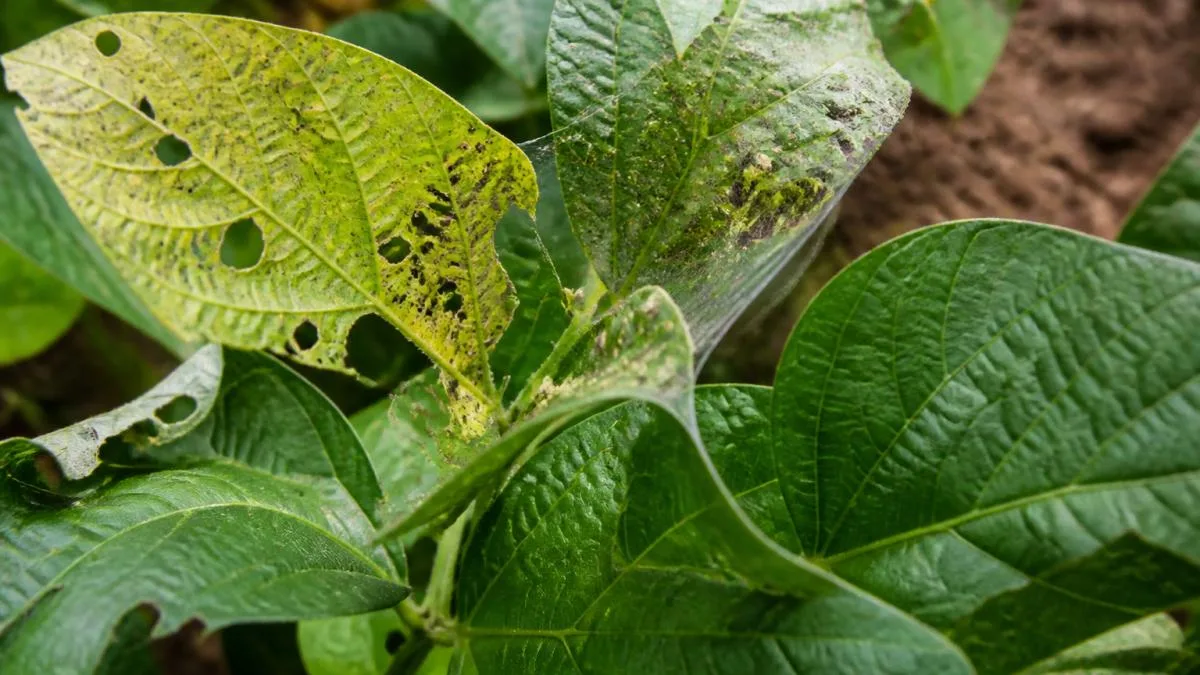
Common Garden Pests and Their Damage Patterns
Aphids cluster on new growth and leave behind sticky residue. Leaves curl and yellow. Spider mites create fine webbing and cause stippled, pale leaves. Japanese beetles skeletonize leaves, eating tissue between the veins. Caterpillars leave ragged holes and dark droppings on leaves. Whiteflies congregate on leaf undersides and cause yellowing.
Each pest leaves a signature. Damage patterns tell you what you’re dealing with before you ever see the insect itself. Take photos of damage and compare them to local extension resources. Most states have university extension services that identify pests free of charge.
Distinguishing Pests from Beneficial Insects
Beneficial insects are your allies in sustainable pest management. Ladybugs and their larvae eat aphids. Lacewings consume mites and small insects. Ground beetles hunt slugs and other pests. Parasitic wasps lay eggs in pest insects, controlling populations naturally.
Learn what these helpers look like. A ladybug larva resembles a tiny alligator and is easy to mistake for a pest if you don’t know better. Lacewing larvae have elongated bodies and large jaws. These insects are not threats, they’re your workforce. Protect them, and they’ll protect your garden.
Monitor and Scout Your Plants Regularly
Monitoring is the backbone of sustainable pest management. You cannot respond to problems you don’t see. Regular scouting gives you early warning and lets you act before populations explode.
Setting Up a Scouting Schedule
Scout your garden at least once per week during the growing season. Walk through every section. Spend 10-15 minutes observing plants. Check the tops and undersides of leaves. Look at stems and soil. Note what you see: pest populations, damage levels, presence of beneficial insects, and overall plant health.
Morning is the best time to scout. Many pests are more active early. Beneficial insects are also visible. Keep simple notes. Record the date, what you found, and where you found it. Over time, these notes reveal patterns.
What to Look For During Inspections
Look for the pest itself first. Count how many you see. Are they clustered in one area or spread across the plant? Look for damage: holes, yellowing, wilting, sticky residue, webbing. Check for beneficial insects. Are they present? How many? Are they actively feeding?
Assess plant vigor. A healthy plant tolerates more pest damage than a stressed one. A plant struggling with drought or poor soil is more vulnerable. This context matters when you decide whether to intervene.
Assess Damage and Set Action Thresholds
An action threshold is the point at which pest damage warrants control. Below this threshold, you do nothing. At or above it, you take action. This simple rule prevents unnecessary treatment and saves resources.
Different pests and plants have different thresholds. A few Japanese beetles on an ornamental shrub might be acceptable. The same beetles on a young fruit tree demand action. Determine your threshold before the season starts.
If you see five aphids on a plant today and 50 tomorrow, the population is exploding. Intervene now. If you see five aphids on a plant today and five next week, the population is stable or declining. Wait and monitor.
Preventing Garden Pests Through Garden Practices
Prevention is the most cost-effective tool in sustainable pest management. A garden designed to stay healthy resists pests naturally. This starts with cultural practices that keep soil rich, plants vigorous, and beneficial insects thriving.
Cultural Controls: Crop Rotation and Sanitation
Rotate plant families through different garden beds each year. Pests that overwinter in soil find no host plant the following season and decline. Tomatoes follow legumes. Brassicas follow nightshades. This simple practice breaks pest life cycles without any treatment.
Remove plant debris at season’s end. Fallen leaves, dead stems, and fruit rot harbor pests and diseases. Clean up promptly. Dispose of heavily infested plant material in trash, not compost.
Water plants at the soil level, not on leaves. Wet foliage invites fungal disease and creates humid conditions pests love. Morning watering allows any splash to dry quickly. Space plants for good air circulation.
Mechanical and Physical Controls
Hand-pick large pests like Japanese beetles and caterpillars. Drop them into soapy water. This works best on small infestations and for pests that are easy to spot. It’s labor-intensive but effective and requires no chemicals.
Use row covers on young plants to exclude flying pests. Remove covers once plants flower to allow pollinator access. Install stakes or trellises to keep plants off the ground where slugs congregate. Mulch around plants to reduce slug habitat.
Set traps to monitor pest populations. Yellow sticky traps catch flying insects. Pheromone traps attract specific pests. These traps help you decide whether populations warrant action. They also provide early warning before damage becomes severe.
Organic Garden Pest Control Methods
When prevention and monitoring show that action is needed, organic controls come first. These methods target specific pests with minimal impact on beneficial insects and the environment.
Biological Controls and Beneficial Insects
Release beneficial insects or encourage native populations. Ladybugs and lacewings are available commercially. Release them when pest populations are present. They establish in your garden if conditions support them.
Encourage native beneficial insects by planting flowers they feed on. Alyssum, yarrow, and dill attract parasitic wasps. Marigolds attract ladybugs. Sunflowers feed lacewings. A diverse garden with flowering plants year-round supports predators and parasites that control pests naturally.
Bacillus thuringiensis (Bt) is a naturally occurring bacterium that kills caterpillars (EPA’s Regulation of Bacillus thuringiensis(Bt) Crops | Pesticides). It’s safe for beneficial insects and humans. Apply it when you see caterpillar damage. Follow label directions carefully. Spray in evening when caterpillars feed actively.
When and How to Use Least-Toxic Pesticides
Neem oil and insecticidal soap are low-toxicity options derived from natural sources. They disrupt insect physiology and are effective against soft-bodied pests like aphids and mites. Apply in early morning or evening. Avoid spraying flowers to protect pollinators.
Read every pesticide label before using it. Labels specify which pests it controls, how to apply it safely, and harvest intervals for edible plants. Follow directions exactly. More is not better. Overdosing wastes product and increases risk to non-target organisms.
Timing matters. Apply pesticides when the target pest is present and active. Spraying empty plants wastes effort. Spray thoroughly to cover all affected plant surfaces. Repeat applications as label directions specify.
Beneficial Insects for Gardens: Your Natural Allies
Beneficial insects are the workforce of sustainable pest management. They work continuously, asking nothing but suitable habitat. Understanding which ones help most and how to support them multiplies your success.
Which Beneficial Insects Do the Most Good
Ladybugs consume 50-60 aphids daily. A single ladybug eliminates hundreds of pests over its lifetime. Their larvae are even more voracious. Lacewings similarly consume massive quantities of soft-bodied pests. Ground beetles hunt slugs, snails, and other soil-dwelling pests. Parasitic wasps lay eggs inside pest insects, controlling populations from inside.
Hover flies resemble small bees but are harmless. Their larvae consume aphids. Spiders, though not insects, are fierce predators of flying pests. A single spider consumes dozens of insects weekly. Encourage spiders by providing shelter like leaf litter and dense plantings.
How to Attract and Protect Beneficial Insects
Plant flowers that bloom throughout the season. Beneficial insects need pollen and nectar to survive. Early spring bloomers support insects emerging from winter. Summer flowers sustain populations during peak pest season. Fall flowers extend the season.
Provide water. A shallow dish with pebbles gives insects a drinking spot without drowning risk. Mulch and leaf litter offer shelter. Leave some areas undisturbed. Beneficial insects need protected spaces to overwinter and lay eggs.
Avoid broad-spectrum pesticides. Even organic options kill beneficial insects along with pests. Use targeted treatments only when monitoring shows action is necessary. This restraint preserves the beneficial population that does the work you want.
The goal of sustainable pest management isn’t perfection, it’s balance. Some pests, some damage, and a thriving population of beneficial insects all coexist in a healthy garden.
Monitor Results and Adjust Your Approach
After you implement controls, keep monitoring. Did the pest population decline? Is damage slowing? Are beneficial insects still present?
If a control worked, document it. Note the pest, the control method, the timing, and the outcome. This record guides your decisions next season.
Some seasons bring pest challenges you didn’t anticipate. Unusual weather, new pests, or unexpected population explosions happen. Stay flexible. Return to monitoring and assessment.
Sustainable pest management takes more thought than spraying everything with chemicals, but it delivers better long-term results. Your garden becomes more resilient. Pest populations stabilize.
If managing pests feels overwhelming or your garden needs professional attention, our team can help you design a sustainable approach tailored to your specific landscape and goals.
| Control Method | Best For | Effort Level | Timeline |
|---|---|---|---|
| Prevention & sanitation | Long-term pest reduction | Low | Ongoing |
| Hand-picking | Small infestations, large pests | Medium | Immediate |
| Beneficial insects | Sustained population control | Low | Weeks to months |
| Row covers | Young plants, flying pests | Medium | Spring through early summer |
| Organic sprays | Active pest populations | Medium | Days to weeks |
| Monitoring & scouting | Early detection | Low | Weekly during season |
Garden pests are inevitable, but uncontrolled infestations are not. Clean Cut Property Maintenance can guide you through this transition with professional pest identification, targeted prevention strategies, and expert recommendations tailored to your plants and goals. University extension services provide free pest identification and management guidance to help you get started.
Frequently Asked Questions
What is integrated pest management for a home garden?
Integrated pest management (IPM) is a sustainable approach that combines monitoring, prevention, and selective use of controls to manage garden pests effectively. Rather than relying on pesticides alone, IPM uses cultural practices like crop rotation, mechanical controls such as hand-picking, beneficial insects, and organic options only when pest damage exceeds acceptable levels. This ecosystem-based strategy minimizes chemical use while protecting your plants, beneficial organisms, and the environment.
How often should I inspect my garden for pests and pest damage?
Scout your garden at least weekly during the growing season, checking the undersides of leaves, stems, and soil around plants where pests hide. Early detection prevents small problems from becoming infestations. Keep a simple scouting log noting what you find, where, and when. If you spot pest activity or damage, increase inspections to twice weekly until you confirm the problem is under control and pest populations are declining.
What plants attract beneficial insects to a garden?
Flowering plants like yarrow, dill, fennel, marigolds, and sweet alyssum attract natural predators and parasitoids that feed on garden pests. Native plants suited to your region are especially effective. Herbs such as cilantro, parsley, and oregano also draw beneficial insects. Plant these in clusters near vegetable beds and leave some flowering plants blooming throughout the season. Avoid broad-spectrum pesticides, which kill beneficial insects along with pests.
How can I control garden pests without using pesticides?
Start with prevention: practice crop rotation, remove plant debris, and maintain soil health. Use mechanical controls like hand-picking larger pests, installing row covers or netting, and setting traps for specific insects. Encourage beneficial insects by planting flowers they feed on and avoiding chemical sprays. For persistent problems, organic options like neem oil or insecticidal soap work on contact. Always read labels, apply during low-light hours to protect pollinators, and combine methods for best results.